
Deep Work Routine: How Top Performers Achieve 10x Results
Discover how top performers use deep work routines to skyrocket productivity and achieve remarkable results. Learn actionable steps to master deep focus.
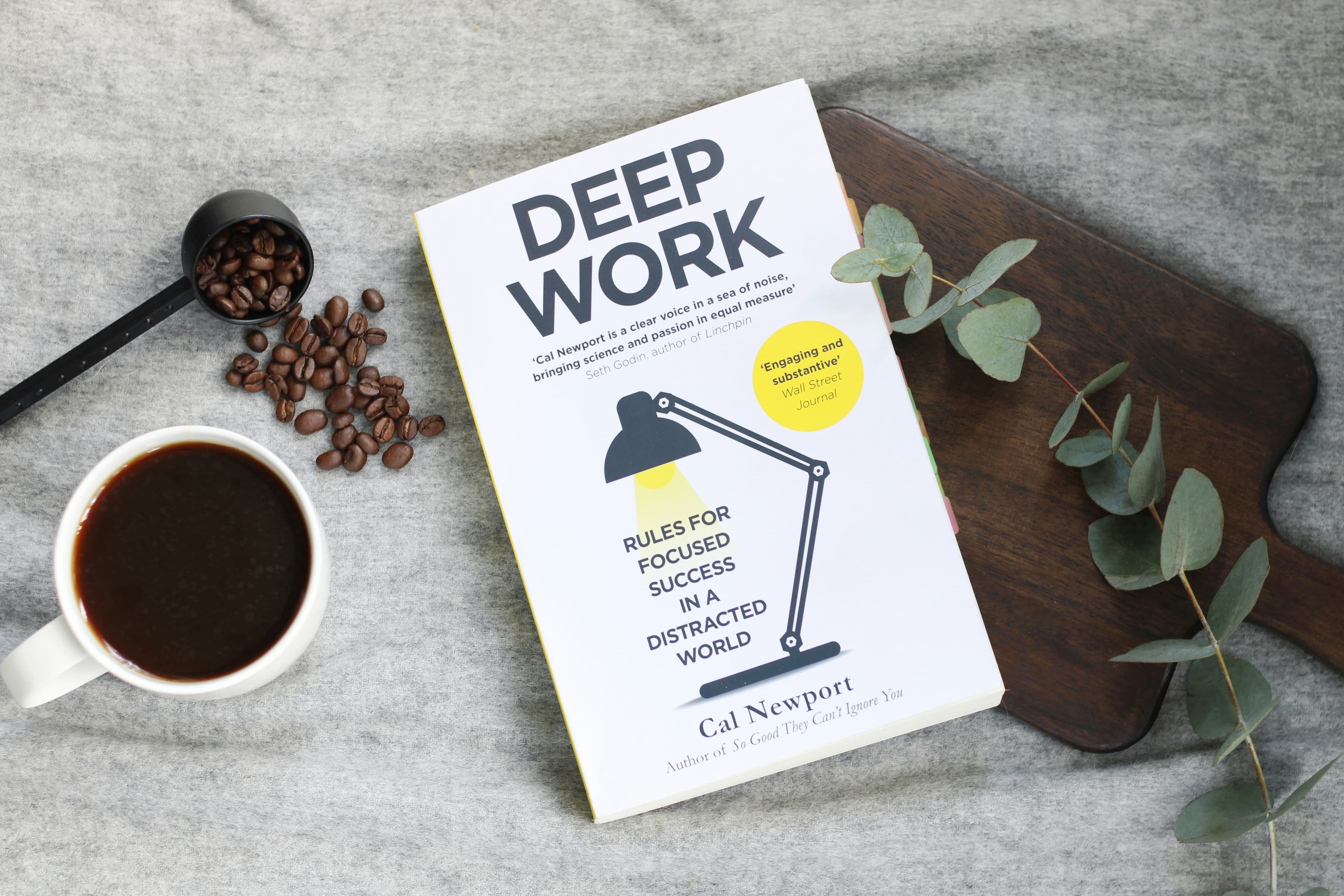
Deep Work Routine: How Top Performers Achieve 10x Results
Picture this: It’s early morning, the world is quiet, and your mind is crystal clear. You settle in, put your phone out of reach, silence the digital chaos, and focus deeply. When you look up hours later, you’ve accomplished more than most people do in a week. That’s the power of deep work—and it’s no coincidence that top performers swear by it to get extraordinary results.
What Is Deep Work?
Let’s cut through the jargon. Deep work is the ability to focus intensely on cognitively demanding tasks without distraction. Cal Newport, a computer science professor and one of the concept’s most vocal advocates, describes it as the gateway to producing better work in less time. Unlike shallow work—think constant emails and endless meetings—deep work delivers progress you can actually see and feel.
The Science Behind Deep Work
Why does deep work matter so much? Our brains aren’t wired for constant context-switching. Every time we check Slack or Instagram, it takes time to regain focus. Neuroscience calls this the ‘attention residue’ effect. Deep, uninterrupted focus lets our brains tap into higher-level thinking, creativity, and problem-solving. That’s how writers pen bestsellers, developers build breakthrough software, and entrepreneurs create empires.
Why Top Performers Prioritize Deep Work
You might wonder if deep work is just another trend. The truth? Virtually every high achiever, from elite athletes to chess grandmasters, relies on focused practice. Here’s why:
- Quality over quantity: One hour of deep work can easily outperform five hours of multitasking.
- Faster learning: Focused immersion helps you master new skills faster—a competitive edge in any field.
- Peak productivity: Deep work cranks out results, whether it’s code, design, or novel chapters.
Real-World Example: Bill Gates's "Think Weeks"
Bill Gates famously retreats twice a year for a ‘Think Week’—no meetings, no distractions, just deep reading and reflection. Many of Microsoft’s breakthrough innovations trace back to these solitary, distraction-free sessions.
Building Your Deep Work Routine
Creating a deep work habit isn’t about eliminating fun or living like a monk. It’s about harnessing focused bursts of effort and defending that time fiercely. Here’s how you can craft your own deep work routine:
1. Schedule Deep Work Blocks
Action step: Block out 60–120 minute sessions on your calendar, ideally during your mental peak hours. For most, this is early morning or late at night. Make these sessions non-negotiable.
2. Ritualize Your Start
Action step: Create a ‘work ritual’ that signals it’s time to focus. This could be making coffee, putting on noise-cancelling headphones, or tidying your workspace. These cues condition your brain to switch into deep mode.
3. Banish Digital Distractions
Action step: Turn off notifications on all devices. Use website blockers like Freedom or Cold Turkey. Better yet, go analog—grab a notebook, silence your phone, and unplug your WiFi if possible.
4. Set Clear Goals
Action step: Never enter a deep work session aimlessly. Write down a specific goal or outcome. For example: “Draft the proposal outline” or “Debug the login feature.” This prevents drifting and keeps you accountable.
5. Embrace Boredom Between Sessions
Top performers know you can’t sprint all day. Embrace downtime—walk, meditate, or simply stare out the window. This mental space recharges your focus so your next session is equally powerful.
6. Track and Reflect
After each session, jot down what you achieved and any distractions that broke your focus. Over time, you’ll refine your routine and notice your deep work ‘muscles’ growing stronger.
Common Pitfalls and How to Avoid Them
Even the most disciplined people slip up. Here are a few traps to avoid:
- Over-scheduling: You can't be in a state of flow for eight hours straight. Start small—one deep session per day is a win.
- Perfectionism: Don’t stress if your first few sessions feel unproductive. Deep work is a skill you train over time.
- Isolation: While deep work requires solitude, don’t neglect social interaction. Collaboration and feedback are just as vital.
Success Stories: Deep Work in Action
Case Study: Maya, Freelance Designer
Maya was drowning in notifications and urgent client requests. After implementing two daily deep work blocks—one for designing, one for business development—her output and creativity skyrocketed. She landed more lucrative projects and enjoyed work again.
Case Study: Jamal, Tech Startup CTO
Jamal struggled to find time for high-level problem-solving between back-to-back team meetings. He reserved 90 minutes every morning for coding and strategic planning. The result? Faster product launches and a happier, less stressed-out leader.
Actionable Tips to Start Today
- Try the Pomodoro Technique: Work for 25 minutes, take a 5-minute break, repeat. It’s a great on-ramp to longer deep work intervals.
- Communicate boundaries: Let colleagues and family know when you’re in deep work mode—maybe even put a sign on your door.
- Create a ‘deep work’ playlist: Pick instrumental music that helps you concentrate. Some swear by lo-fi beats; others by classical.
- Celebrate small wins: At the end of every session, reward yourself. A good cup of tea or a quick stretch can reinforce the habit.
Final Thoughts: Make Deep Work Your Superpower
You don’t need to overhaul your life to get started. Even 30 minutes a day spent in focused effort can radically transform your productivity and sense of accomplishment. The secret is consistency—protect your focus like it’s the rarest asset you own. Because, frankly, it is.
Why not try blocking out a deep work session tomorrow morning? See how it feels. The results might just surprise you.
Ready to 10x Your Results?
Embracing a deep work routine isn’t reserved for the few—it’s a practical, learnable skill for anyone hungry for meaningful progress. Experiment, iterate, and make the routine your own. Your best work—and future self—will thank you.
Frequently Asked Questions
Admin
Staff writer & editorial contributor at Five Minutes Talk.
Curated perspectives exploring technological architecture, software development, and modern product craft. Every article is designed to deliver depth in five minutes.
Put Your Brand in the Right Conversation
Connect your product or technology narrative with an engaged audience through an editorially reviewed sponsored story.