
Is Short-Form Content Ruining Your Focus? Fix It Fast
Short-form content is shrinking your attention span. Discover the science behind it and get practical, actionable steps to reclaim your focus starting today.
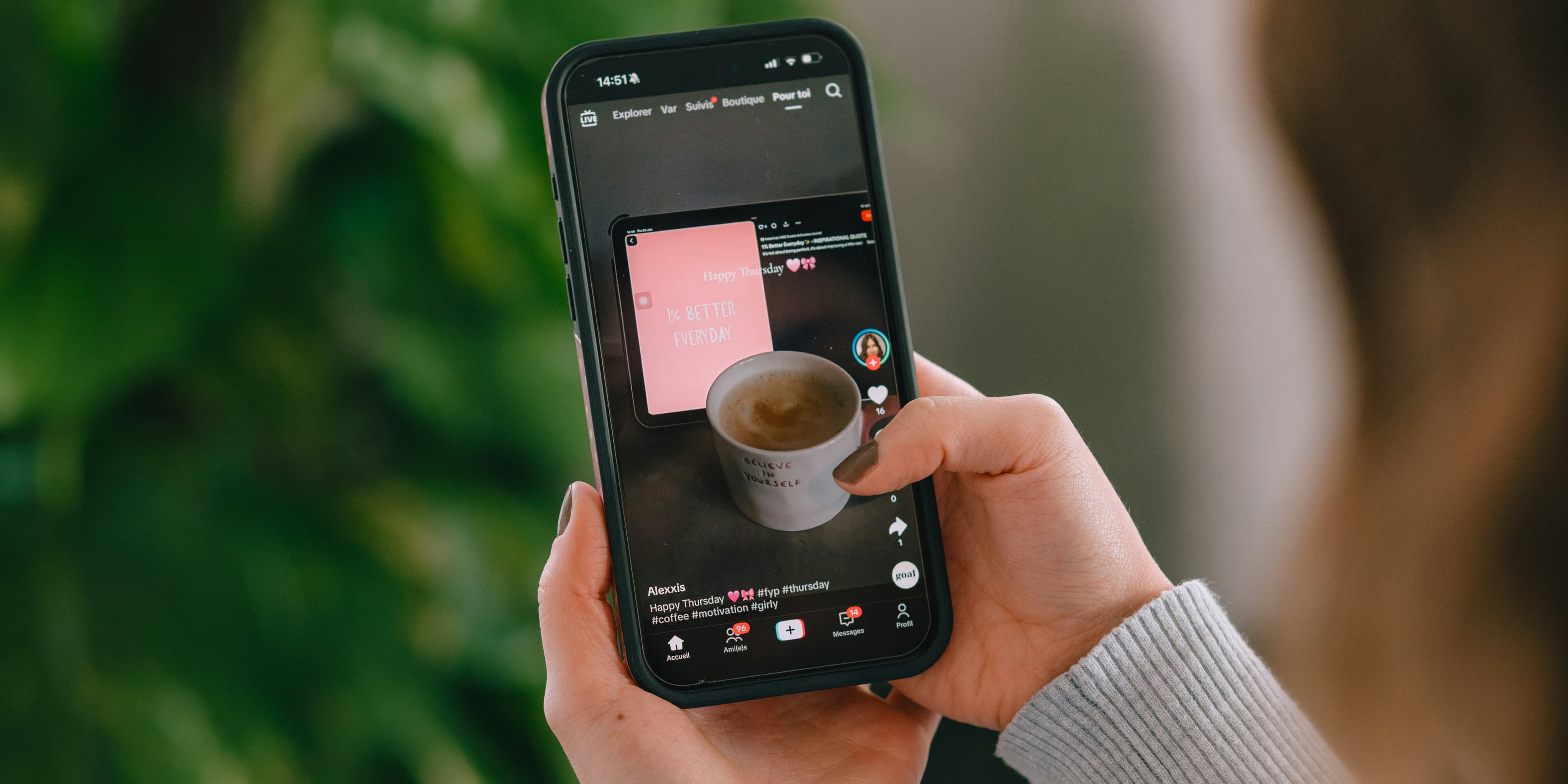
Short-Form Content Is Killing Your Attention Span (Fix It Now)
The world is obsessed with short-form content. TikToks, Reels, YouTube Shorts — bite-sized videos and snippets are everywhere. While it’s fun to scroll through quick clips, there’s a hidden cost: our ability to focus is shrinking. If you’ve felt your attention drifting or struggled to finish a longer article or book, you’re not alone. Let’s break down the science, share real stories, and, most importantly, figure out how to push back against the clutter and reclaim your focus.
The Rise of Snackable Content
Do you remember the first viral Vine? 6 seconds was all it took to get a laugh or make a point. That was just the beginning. Fast forward, and the average TikTok video is between 15 to 60 seconds. Instagram Stories vanish after 24 hours. Even news headlines are shorter than ever. Here’s why:
- Instant gratification: Rapid-fire entertainment and information feed our brain's dopamine loop.
- Mobile-first consumption: We swipe on the go, fitting content into every free moment.
- Endless variety: An infinite scroll means there’s always something new and shiny one swipe away.
But what’s the real impact?
How Short-Form Content Warps Your Brain
Let’s get a little nerdy for a minute. When you binge short videos or scroll through quick-fire memes, your brain adapts. You get used to constant novelty and rapid, easy rewards. Over time, this rewires your attention mechanisms. Some researchers call this the “digital goldfish effect" — our attention spans are rivaling those of goldfish (not exactly a compliment).
Recently, I caught myself abandoning a well-written, thoughtful article after just three paragraphs — not because it was dull, but because I was itching for something new. If you relate, you’re not alone. Here’s what’s going on:
- Reduced patience for slower, deeper content
- Difficulty with sustained concentration
- More frequent distractions: Notifications, new feeds, and pings steal your focus
Real-World Signs Your Focus Is Suffering
Not sure if this is you? Look for these telltale signs:
- You reread paragraphs because your mind wanders
- Podcasts or lectures seem to drag on forever
- You struggle to finish books or even TV episodes
- Multitasking has become your new normal (but you’re less productive)
Let me share something personal: I used to devour novels every month. Now? I catch myself checking my phone after every few pages. The shift didn’t happen overnight — but it’s real, and it’s everywhere.
Why Does This Matter?
Shrinking attention spans don’t just affect leisure. They sneak into our work, relationships, and personal growth:
- Shallow learning: We skim instead of deeply understanding topics
- Weaker creativity: Original ideas need focused thought
- Stress and restlessness: Constant stimulation makes stillness uncomfortable
- Missed connections: We’re distracted even during conversations
If you’re building a career, learning new skills, or simply craving more meaning from your days, a scattered focus isn’t just a nuisance. It’s a real obstacle.
How to Reclaim Your Attention (Practical Steps)
The good news? You’re not doomed. With a bit of intention, you can strengthen your focus and enjoy deeper engagement again. Here’s a blueprint that actually works — no self-help clichés, just real, doable tactics:
1. Audit Your Content Diet
Just like you’d review your eating habits to get healthier, take a week to honestly log your media habits:
- How many hours do you spend on short-form content?
- Which apps are your go-tos for quick hits?
- Do you use them during meals, breaks, or bedtime?
Simply becoming aware is half the battle.
2. Set "Deep Work" Zones
Carve out daily time for focused, uninterrupted work or reading. Protect it fiercely. For me, that means blocking out 8-9am for writing — with my phone out of reach.
Tips:
- Use apps like Forest or Focus Keeper to block distractions
- Silence notifications (or use Do Not Disturb)
- Set a timer: start with 25 minutes and build from there
3. Replace Fast with Slow (on Purpose)
Each week, trade 30 minutes of short-form scrolling for something more substantial:
- Read a chapter of a book
- Watch a documentary instead of TikTok
- Write in a journal, uninterrupted
It’ll feel unfamiliar (maybe even boring) at first. But your brain will thank you.
4. Practice Mindful Consumption
Before opening Instagram or Reddit, pause. Ask:
Am I using this app intentionally, or out of habit?
If it’s the latter, try something else — even if it’s just stepping outside for fresh air.
5. Embrace "Mono-Tasking"
Multi-tasking seems productive but actually dilutes your attention. When you eat, just eat. When you have a conversation, put your phone away. Even during chores like folding laundry, resist the urge to scroll. Try to be present, even in the mundane.
What Happens When You Rebuild Your Focus
Here’s the upside: the more you practice, the more your brain adapts back. You’ll:
- Find it easier to concentrate for longer periods
- Discover unexpected joy in deep reading and conversations again
- Feel calmer and less jittery
- Get more satisfaction from your work and hobbies
I’ve seen it in my own life. After a few weeks of "attention boot camp," I made it through an entire non-fiction book — phone-free. The satisfaction was real. And my work improved, too; I could write and create for longer, with less frustration.
Final Thoughts: Short-Form Isn’t Evil (But It Needs Boundaries)
Let’s be real: short-form content isn’t all bad. It can inspire, inform, and bring levity. The trick is balance. Don’t let endless scrolling be your mental default. Mix in deeper reads, longer videos, meaningful conversations, and offline moments. Your mind — and your mood — will thank you.
Ready to try? Start by tracking your media time tonight. Then, challenge yourself: tomorrow, replace 10 minutes of scrolling with real focus on something you care about. One small change at a time — that's how you reclaim your attention, starting now.
Frequently Asked Questions
Admin
Staff writer & editorial contributor at Five Minutes Talk.
Curated perspectives exploring technological architecture, software development, and modern product craft. Every article is designed to deliver depth in five minutes.
Put Your Brand in the Right Conversation
Connect your product or technology narrative with an engaged audience through an editorially reviewed sponsored story.