
Why Waiting for Text Replies Causes Anxiety and Stress
Texting anxiety is real and surprisingly common. Discover why waiting for replies triggers stress, the psychology behind it, and actionable tips to manage it.
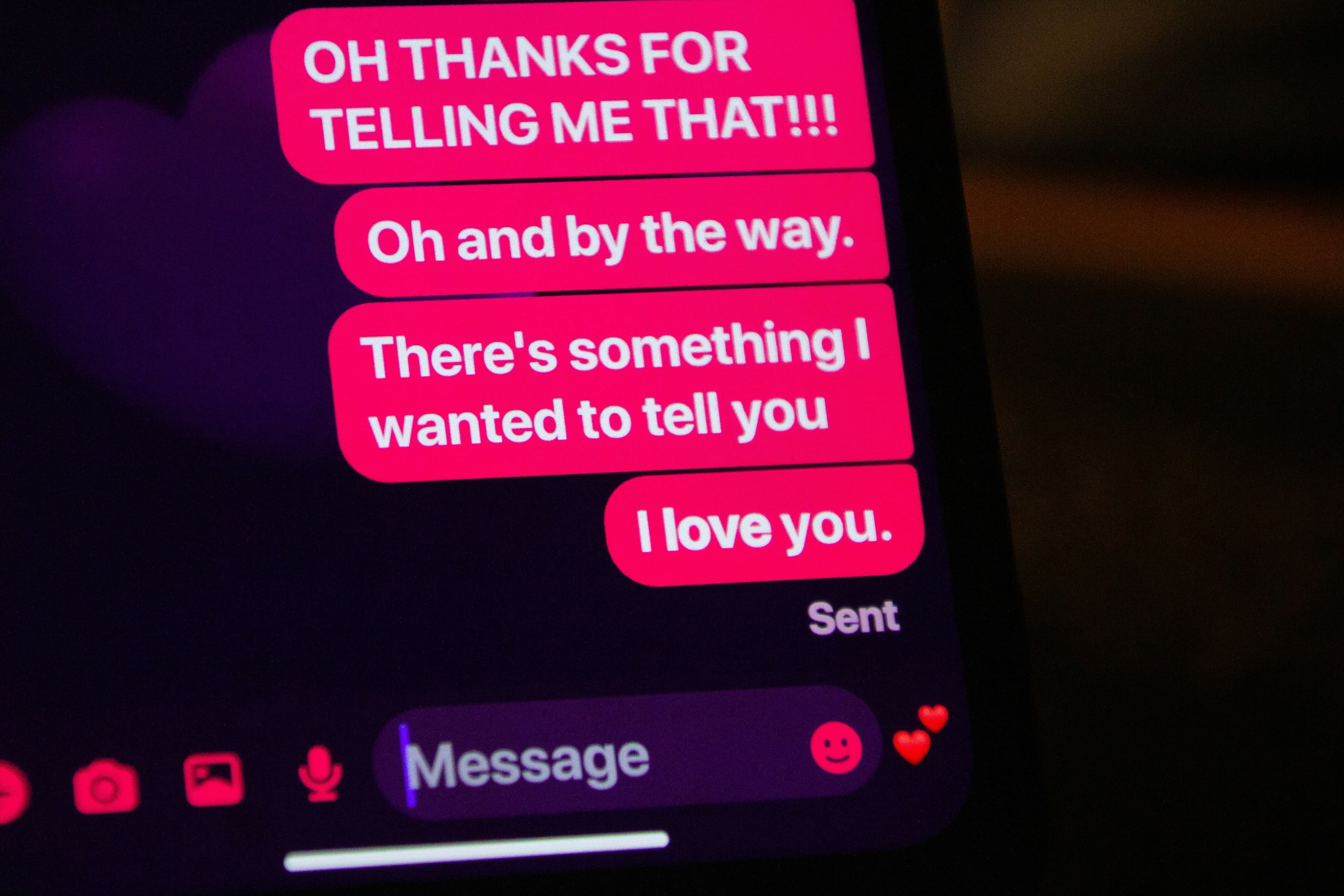
Texting Anxiety: Why Waiting for Replies Feels So Stressful
We’ve all been there: you send a text, then watch your screen, waiting for those three little dots that signal a response. Minutes tick by. Suddenly, you’re obsessively checking your phone. Your mind spins. Did I say something wrong? Are they mad at me? Why haven’t they responded?
Texting anxiety is real—and you’re not alone. In today’s hyper-connected world, it’s ironic (and a bit cruel) that instant communication can cause so much stress. Let’s dig into why the wait feels unbearable, what happens in our brains, and what you can actually do about it.
The Digital Age Paradox: Always Connected, Always Anxious
Once upon a time, people wrote letters and waited weeks (or longer) for a response. Today, we expect instant replies. If that doesn’t happen, worry creeps in—fast. Psychologists describe this phenomenon as texting anxiety, a spike of stress triggered by digital communication.
Why Does It Happen?
There’s nothing inherently wrong with wanting a reply. But the problem arises when waiting starts to mess with your head. Here’s why:
- Immediate Gratification: We’re trained to get information NOW. Delays feel like rejection.
- Ambiguous Cues: No tone of voice, facial expression, or body language—just words on a screen. It’s easy to misinterpret silence.
- Social Pressure: "Read" receipts, typing bubbles, and app notifications create expectations.
- Overthinking: When we care about the relationship, stakes feel high. Silence equals trouble… or so we think.
One evening, my friend Monica sent a risky flirtatious text. When the reply didn’t come after five minutes, panic set in. Was it too much? Did she ruin everything? (Turns out, the recipient was simply stuck in a work meeting.)
The Science Behind Texting Anxiety
Let’s get nerdy for a second. When you wait for a reply, your brain gets a hit of the neurotransmitter dopamine—but only when the response finally comes. Intermittent rewards (like surprise texts) are especially addictive, similar to how slot machines work. The anticipation can be exhilarating… or excruciating.
But the longer the wait, the more cortisol (the stress hormone) your body releases. This means your heart might race and your thoughts speed up. For some, this triggers classic anxiety symptoms:
- Sweaty palms
- Worry spirals
- Trouble focusing on anything else
Your mind fills in the blanks: Maybe they’re upset, maybe something terrible happened. (Spoiler alert: 99% of the time, it’s nothing personal.)
The Role of Attachment Styles
Our texting anxiety isn’t just about technology. It’s deeply personal. Your attachment style—shaped by early relationships—influences how you handle digital silence.
- Secure Attachment: Confident, doesn’t stress much about delays.
- Anxious Attachment: Highly sensitive to response times, worries about being ignored or rejected.
- Avoidant Attachment: Prefers space, may delay responses on purpose.
If you’re prone to anxiety in relationships, texting can amplify those fears. Recognizing your style can be the first step to handling the stress more effectively.
Real-World Examples: When Waiting Gets Out of Hand
Meet Jake. He sends a joke to a new friend and, when she doesn’t reply for an hour, re-reads his text 10 times, agonizing over every word. He wonders if he crossed a line. Later, she laughs and says she lost her phone at the gym.
Or Sarah, who texts her manager about an urgent project. No reply for two hours. She panics, convinced she’s in trouble—only to learn her boss was in a conference all morning.
Sound familiar?
Actionable Tips to Manage Texting Anxiety
Texting anxiety doesn’t have to control your life. With a few practical strategies, you can reclaim your peace of mind.
1. Challenge Assumptions
Most of our fears are stories we tell ourselves. If you catch yourself spiraling ("Did I annoy them?"), pause and ask: What evidence do I really have? Chances are, it’s not much.
2. Set Boundaries with Technology
Try to avoid obsessively checking your phone. Turn off read receipts or notifications if they make you anxious. Some people find it helpful to set specific times to check messages—say, every half hour—instead of every two minutes.
3. Communicate Your Needs
If texting patterns are stressing you out, bring it up with the other person. You might say: "Hey, sometimes I get anxious when I don’t hear back, just so you know. No pressure to reply fast, but a heads-up is helpful."
4. Build Emotional Resilience
Work on self-soothing when anxiety kicks in:
- Go for a quick walk
- Listen to music
- Practice deep breathing
- Distract yourself with a hobby
Remind yourself: Someone else’s texting habits are rarely a reflection of your worth.
5. Reflect on Attachment & Expectations
Notice patterns. If you’re consistently anxious about communication, it might be worth exploring your attachment style—on your own or with a therapist. Understanding your triggers can help you respond more compassionately to yourself.
When to Seek Support
If texting anxiety is causing major distress (impacting your work, sleep, or relationships), it might be time to talk to a mental health professional. Anxiety is common—and treatable. Getting support doesn’t mean you’ve failed; it means you care about your well-being.
Final Thoughts: You’re Not Alone
The next time you find yourself trapped in the torture chamber of waiting for a reply, remember: It’s normal to feel uneasy. Nearly everyone has experienced that punch-in-the-gut anticipation.
But you don’t have to let it rule you. With awareness, self-compassion, and the right tools, you can dial down the worry and build healthier digital habits. After all, life is happening beyond the glowing rectangle in your hand.
Key Takeaways
- Texting anxiety is a common stress response in the digital age
- It’s fueled by instant gratification, ambiguous cues, and personal attachment styles
- Practical steps—like challenging assumptions, setting boundaries, and communicating clearly—can help
- If it becomes overwhelming, professional support is always an option
Take a breath, put your phone down for a moment, and remember: the world will keep on turning—even if your message sits unread for a little while.
Frequently Asked Questions
Admin
Staff writer & editorial contributor at Five Minutes Talk.
Curated perspectives exploring technological architecture, software development, and modern product craft. Every article is designed to deliver depth in five minutes.
Put Your Brand in the Right Conversation
Connect your product or technology narrative with an engaged audience through an editorially reviewed sponsored story.